
Hyperglycaemia: what can be done to limit this phenomenon?
Hyperglycaemia can be occasional - which is normal - or chronic, which is a cause for concern. When it becomes established over time, it warrants medical attention and targeted action to avoid complications.


Hyperglycaemia: what exactly is it?
Hyperglycaemia is an excess of glucose (sugar) in the blood, causing blood sugar levels to rise above normal values.
When it occurs occasionally, this phenomenon is normal: after a very rich meal, an upsurge in stress or a short night's sleep, the body releases more glucose into the blood to provide energy.
But this rise is temporary: insulin then takes over and naturally brings blood sugar levels back to normal.
The problem arises when the body is no longer able to regulate blood sugar levels over the long term, either because it produces too little insulin or because the cells become less sensitive to it.
This is known as chronic hyperglycaemia, a condition that requires real vigilance.
What are the reference thresholds?
According to generally accepted standards (1):
-
fasting :
- normal blood glucose: < 1.00 g/L (5.6 mmol/L)
- hyperglycaemia: ≥ 1.26 g/L (7 mmol/L), confirmed on two occasions
-
two hours after a meal (postprandial):
- normal blood glucose: < 1.40 g/L (7.8 mmol/L)
- hyperglycaemia: ≥ 2.00 g/L (11.1 mmol/L)
Between these thresholds, intermediate values may indicate unstable blood sugar levels, pre-diabetes or insulin resistance.
What are the symptoms?
If the rise in blood sugar is temporary, the symptoms often go unnoticed.
But when hyperglycaemia becomes frequent, certain signs may give cause for alarm:
- excessive thirst
- more frequent urination
- persistent tiredness
- blurred vision
- increased hunger
- a slow healing process
- tingling or numbness in the extremities
If you experience any of these symptoms, you should consult your doctor.
Persistent hyperglycaemia may reveal pre-diabetes or incipient diabetes, conditions that require medical attention to avoid cardiovascular, nerve or kidney complications.
Common causes of chronic hyperglycaemia
Chronic hyperglycaemia can be caused by:
- A diet too rich in simple sugars and calories: sugary, processed or high-calorie foods cause repeated peaks in glucose that the body struggles to manage, leading to a sustained rise in blood sugar levels.
- Lack of physical activity: exercise improves the sensitivity of cells to insulin (2). Conversely, a sedentary lifestyle reduces this capacity, which naturally raises blood sugar levels.
- Chronic stress (via cortisol): prolonged stress causes the body to release cortisol (3), a hormone that increases glucose production by the liver, leading to persistent hyperglycaemia.
- Lack of sleep: insufficient sleep disrupts the hormones that regulate blood sugar levels and can reduce insulin sensitivity (4), leading to higher glucose levels.
- Certain pathologies (including type 2 diabetes): metabolic or endocrine diseases disrupt the production or action of insulin, leading to chronic hyperglycaemia.
- Certain medications: corticosteroids and other treatments increase glucose production or reduce insulin sensitivity, which can lead to a prolonged rise in blood sugar.
How can we naturally limit the rise in blood sugar?
A healthier lifestyle - a diet rich in fibre, physical activity, sleep, stress management - is the first line of defence against hyperglycaemia.
Diet, the first line of defence against hyperglycaemia
To limit the rise in blood sugar levels, we first recommend reducing the intake of simple sugars. They cause a rapid peak in blood sugar levels, followed by a sharp drop that can lead to fatigue, cravings and sugar cravings.
Foods to limit include
- Pastries, biscuits and buns;
- soft drinks, industrial juices and sweets;
- refined cereals (white bread, white pasta, white rice).
Opt instead for foods with a low glycaemic index (low GI): they release glucose more slowly, providing stable energy throughout the day.
For example, lentils and chickpeas, quinoa and buckwheat, sweet potatoes, whole fruit, green vegetables, almonds and walnuts...
You should also think about eating more fibre: it slows down the intestinal absorption of glucose and moderates the glycaemic response (5).
And there are many sources of fibre! It's found in vegetables and legumes, wholegrain cereals, fruit, etc.
To avoid chronic hyperglycaemia, make sure you include protein at every meal: it prolongs satiety and helps stabilise blood sugar levels (6).
And there's no shortage of options here either (7)! You can vary between eggs, fish and poultry, but also tofu and legumes...
Finally, there are a few tips to help curb sugar cravings:
- drink a large glass of water if you get a sudden craving;
- eat a handful of oilseeds for a quick satiating effect;
- opt for fruit-based desserts (fresh or cooked);
- include a high-fibre or high-protein snack (e.g. Greek yoghurt with seeds) to stabilise blood sugar levels.
Regulate stress and improve sleep
Cortisol is a hormone produced by the adrenal glands in response to stress. When faced with a threat, it stimulates the release of glucose by the liver (to provide rapid energy).
But when it remains chronically high, this mechanism goes out of control and can contribute to persistent hyperglycaemia.
Simple techniques can help reduce this stress response: breathing or cardiac coherence exercises, daily meditation or walking sessions, etc.
And sleep can also be to blame! Just one night of insufficient sleep can reduce insulin sensitivity (8), which can lead to higher blood sugar levels the next day.
To stabilise blood sugar levels, we therefore recommend getting between 7 and 9 hours' sleep a night, adopting a regular bedtime schedule and avoiding screens before bedtime.
Useful nutrients for better blood sugar management
Certain natural substances are being studied for their role in regulating glucose levels. They are not a substitute for medical treatment, but can complement a healthy lifestyle, with the agreement of a health professional.
Berberine
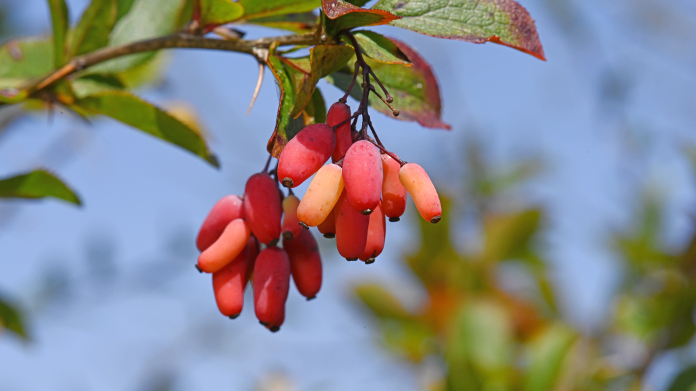
Berberine is a natural alkaloid found in several medicinal plants, studied for its impact on metabolic balance.
Research suggests that it may help maintain normal blood sugar levels, in particular by influencing several biological pathways (9):
- activation of AMPK, a key enzyme in glucose metabolism
- potential improvement in insulin sensitivity
- reduction in intestinal carbohydrate absorption
- modulation of the intestinal microbiota and certain inflammatory markers
These potential effects make it an interesting ally as part of an overall approach to glycaemic support.
 Discover Berberine and Berberine Max Bioactivity, two high-concentration formulas to support glycaemic balance.
Chromium
Chromium is an essential trace element that helps maintain normal blood sugar levels and normal macronutrient metabolism.
Biologically, it acts as a cofactor in glucose tolerance factor (GTF), a complex that facilitates the action of insulin and the entry of glucose into cells.
According to studies (10-11), this modulation of insulin sensitivity could help some people better control their appetite or sugar cravings.
Discover Crominex® 3+, a high-quality form of chromium combined with plant extracts.
Moringa
Moringa oleifera is an Ayurvedic plant that helps maintain normal blood sugar levels.
Rich in natural antioxidants (polyphenols, flavonoids, vitamin C), it is also being studied for its bioactive compounds, which may influence glucose management and play a role in energy metabolism.
Several studies suggest that these nutrients could help modulate certain metabolic pathways involved in glycaemic control (12).
Discover Organic Moringa Leaf Extract, a concentrated extract of moringa leaves to support glycaemic balance.
Gymnema sylvestre
An essential plant in the Ayurvedic tradition, Gymnema sylvestre helps to maintain normal blood sugar levels in the body.
In particular, it is known to temporarily reduce the perception of sweet taste, thanks to its gymnamaids, which bind to taste receptors.
And according to several studies (13-14), it may also help to :
- support insulin function;
- take part in carbohydrate metabolism, by influencing certain enzymatic pathways involved in carbohydrate conversion.
Discover Gymnema Sylvestre, a standardised extract of Gymnema leaves, designed to support carbohydrate balance.
Banaba(Lagerstroemia speciosa)
Banaba is a tree from tropical Asia, also known as Lagerstroemia speciosa.
Its leaves, rich in corosolic acid, help maintain normal blood sugar levels and are the subject of much research (15-16).
According to several preliminary studies, corosolic acid may :
- promote the transport of glucose into cells ;
- influence metabolic pathways linked to insulin action;
- help moderate intestinal glucose absorption.
Discover Glucofit Banaba, an extract standardised to 18% corosolic acid for optimum effectiveness.
SUPERSMART ADVICE

References
- https://sante.gouv.fr/IMG/pdf/referenciel_pratiques_diabete.pdf
- Richter EA, Sylow L, Hargreaves M. Interactions between insulin and exercise. Biochem J. 2021 Nov 12;478(21):3827-3846. doi: 10.1042/BCJ20210185. PMID: 34751700.
- Pulopulos MM, Baeken C, De Raedt R. Cortisol response to stress: The role of expectancy and anticipatory stress regulation. Horm Behav. 2020 Jan;117:104587. doi: 10.1016/j.yhbeh.2019.104587. Epub 2019 Oct 25. PMID: 31639385.
- Reutrakul S, Van Cauter E. Sleep influences on obesity, insulin resistance, and risk of type 2 diabetes. Metabolism. 2018 Jul;84:56-66. doi: 10.1016/j.metabol.2018.02.010. Epub 2018 Mar 3. PMID: 29510179.
- Anderson JW, Baird P, Davis RH Jr, Ferreri S, Knudtson M, Koraym A, Waters V, Williams CL. Health benefits of dietary fiber. Nutr Rev. 2009 Apr;67(4):188-205. doi: 10.1111/j.1753-4887.2009.00189.x. PMID: 19335713.
- Azzout-Marniche D, Gaudichon C, Tomé D. Dietary protein and blood glucose control. Curr Opin Clin Nutr Metab Care. 2014 Jul;17(4):349-54. doi: 10.1097/MCO.0000000000000062. PMID: 24839951.
- https://www.anses.fr/fr/content/les-proteines
- Spiegel K, Leproult R, Van Cauter E. Impact of sleep debt on metabolic and endocrine function. Lancet. 1999 Oct 23;354(9188):1435-9. doi: 10.1016/S0140-6736(99)01376-8. PMID: 10543671.
- Moon JM, Ratliff KM, Hagele AM, Stecker RA, Mumford PW, Kerksick CM. Absorption Kinetics of Berberine and Dihydroberberine and Their Impact on Glycemia: A Randomized, Controlled, Crossover Pilot Trial. Nutrients. 2021 Dec 28;14(1):124. doi: 10.3390/nu14010124. PMID: 35010998; PMCID: PMC8746601.
- Brownley KA, Von Holle A, Hamer RM, La Via M, Bulik CM. A double-blind, randomized pilot trial of chromium picolinate for binge eating disorder: results of the Binge Eating and Chromium (BEACh) study. J Psychosom Res. 2013 Jul;75(1):36-42. doi: 10.1016/j.jpsychores.2013.03.092. Epub 2013 Apr 22. PMID: 23751236; PMCID: PMC4358897.
- Yazaki Y, Faridi Z, Ma Y, Ali A, Northrup V, Njike VY, Liberti L, Katz DL. A pilot study of chromium picolinate for weight loss. J Altern Complement Med. 2010 Mar;16(3):291-9. doi: 10.1089/acm.2009.0286. PMID: 20192914; PMCID: PMC5206698.
- Ahmad J, Khan I, Blundell R. Moringa oleifera and glycemic control: A review of current evidence and possible mechanisms. Phytother Res. 2019 Nov;33(11):2841-2848. doi: 10.1002/ptr.6473. Epub 2019 Aug 19. PMID: 31429148.
- Gaytán Martínez LA, Sánchez-Ruiz LA, Zuñiga LY, González-Ortiz M, Martínez-Abundis E. Effect of Gymnema sylvestre Administration on Glycemic Control, Insulin Secretion, and Insulin Sensitivity in Patients with Impaired Glucose Tolerance. J Med Food. 2021 Jan;24(1):28-32. doi: 10.1089/jmf.2020.0024. Epub 2020 May 27. PMID: 32460589.
- Zuñiga LY, González-Ortiz M, Martínez-Abundis E. Effect of Gymnema sylvestre Administration on Metabolic Syndrome, Insulin Sensitivity, and Insulin Secretion. J Med Food. 2017 Aug;20(8):750-754. doi: 10.1089/jmf.2017.0001. Epub 2017 May 1. PMID: 28459647.
- Stohs SJ, Miller H, Kaats GR. A review of the efficacy and safety of banaba (Lagerstroemia speciosa L.) and corosolic acid. Phytother Res. 2012 Mar;26(3):317-24. doi: 10.1002/ptr.3664. Epub 2011 Nov 17. PMID: 22095937.
- Hong H, Jai Maeng W. Effects of malted barley extract and banaba extract on blood glucose levels in genetically diabetic mice. J Med Food. 2004 Winter;7(4):487-90. doi: 10.1089/jmf.2004.7.487. PMID: 15671695.
Keywords




4 Days
Super fast delivery
Super fast delivery. Trying flexismart at the moment, Maybe a bit too soon to see results bit nice tolérance so far.
Maria Angeles Verdu
4 Days
Good service
Supersmart are an efficient company - the order arrived quickly. This is usual for them, though they have occasionally been let down by delivery firms - not a surprise and not their fault.
Barry Humphries
6 Days
Excellent product
Excellent product, quick delivery
FERENCNE Soros
8 Days
High quality, reliable service!
I have been ordering their products for years! They are excellent quality. And despite the international shipping, my order allways arrived pretty fast. The loyalty program is very fair, I get great prices on the products. Imagine: my specialists are asking me what have I been taking that my counts are so good!
Petra Hruskova
9 Days
I purchased Melatonin
I purchased Melatonin, very quick delivery to the UK and product is perfect. Very Happy
Dean Harriss
11 Days
Avis général
Well boxes are white but that puts a bit of serious color for my grey matter. Supersmart is quality products and made myself a pharmacy. Honestly should be remboursed by the health institutes selling pills
LEBORDAIS Thomas
12 Days
Arrives in just five days even to Japan…
Arrives in just five days even to Japan – that’s insanely fast! Amazing lineup of innovative products.
namio
15 Days
Quality and choice of supplements.
Quality and choice of supplements.
Maja
19 Days
perfect great
perfect great
igor janic
24 Days
Good products and speedy delivery
Good products and speedy delivery
Jim
28 Days
Very good
Very good, fast delivery
Paddy
28 Days
Excellent products
Excellent products. Excellent servce.
MIFSUD Joseph
28 Days
It was sent expediently
It was sent expediently, the tracking worked nicely!
Roger De Backer
30 Days
Everything okay
Quality products people can account on. Fast shipping.
Fred Laan
41 Days
Good products
Good products
Emmanuel
of experience
your money back
##montant## purchase