
Blood circulation: 5 types of food to avoid
Essential for supplying the organs with blood, nutrients and oxygen, blood circulation is influenced by various factors, including dietary balance. And for efficient blood circulation, certain types of food should be avoided.

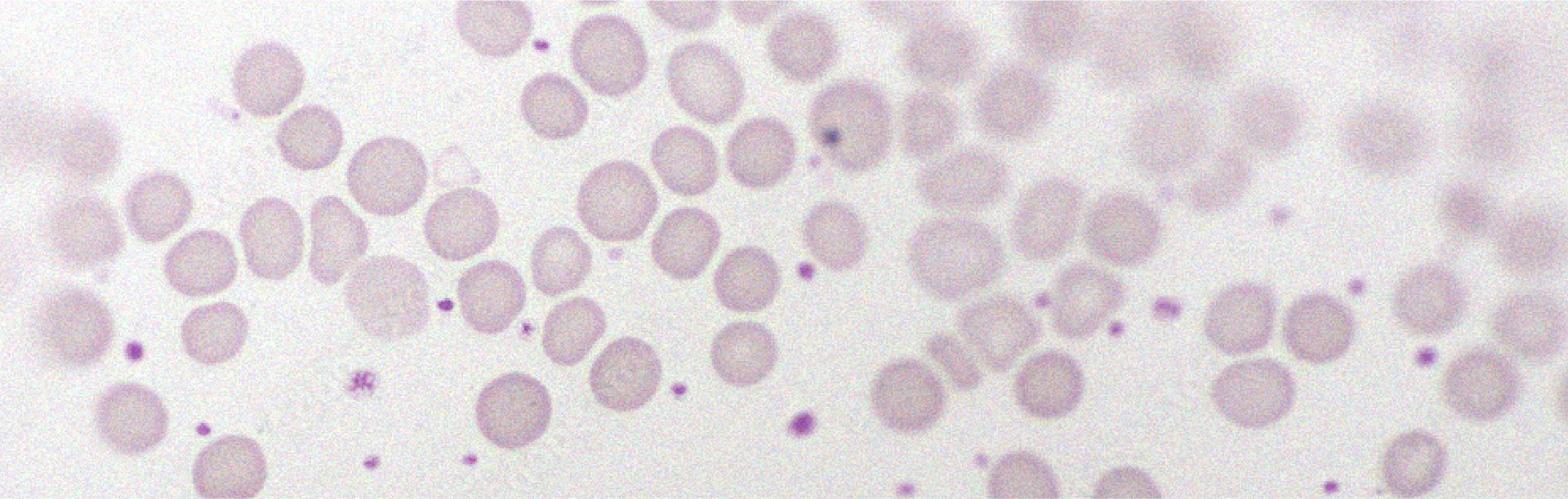
Why do certain foods affect blood circulation?
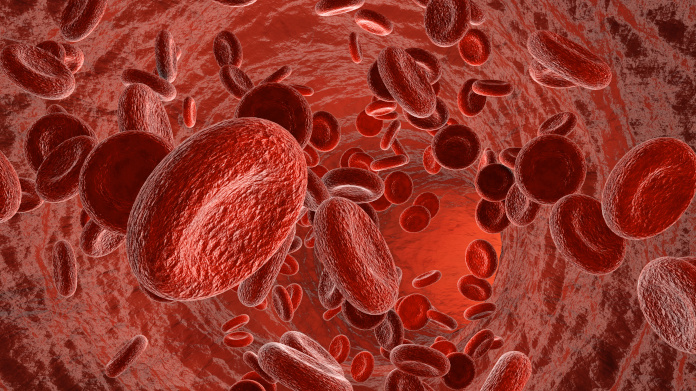
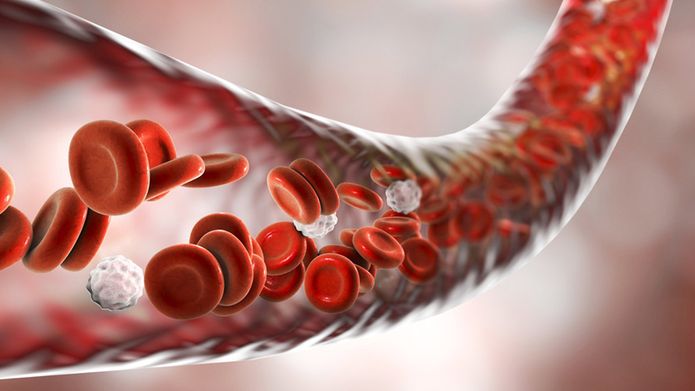
Blood circulation in the body transports oxygen and nutrients to the organs. At the same time, it also handles metabolic waste and encourages its elimination.
To do this, it relies on a complex network of arteries, veins and capillaries.
The arteries carry oxygen-rich blood from the heart to the organs, while the veins return depleted blood to the heart.
The capillaries, meanwhile, enable exchanges between the blood and the tissues (1).
For this system to function optimally, the vessels must remain flexible and permeable. And, of course, they must not become blocked.
However, certain foods can compromise this balance by encouraging various processes that are detrimental to healthy blood circulation, including:
- chronic inflammation, which can hamper the optimal dilation/contraction of blood vessels
- lipid oxidation, which can lead to the formation of atheromatous plaques on artery walls (atherosclerosis)
- blood clots formation, which can block blood vessels and even cause cardiovascular problems such as heart attacks and strokes
Diet can influence vascular health by acting indirectly on these mechanisms.
The 5 main types of food to avoid to maintain good blood circulation
1. Foods rich in saturated and trans fats
Found in cold meats, fatty meats, factory-made dishes, pastries, fried foods and certain margarines, saturated fats, cooked fats and trans fats are associated with higher levels of LDL cholesterol (the ‘bad cholesterol’) (2).
Over time, this builds up on the inner walls of the arteries and contributes to the formation of atheromatous plaques.
This reduces the diameter of the vessels, but also the flexibility of the walls, preventing them from dilating properly.
Ultimately, this increases blood pressure and therefore the risk of hypertension and vascular events.
2. Foods rich in salt
Salt (sodium chloride) contributes to water retention and high blood pressure (3).
It's ubiquitous in ready meals, salty snacks and factory-made sauces, but it's just as harmful if you add it to your dishes in excess.
The World Health Organization (WHO) recommends a maximum daily salt intake of 5g. In Europe, however, it is more often than not over 8g a day (4).
Excessive sodium consumption could upset the water balance and increase circulating blood volume. It also promotes vasoconstriction, putting pressure on the arterial walls.
This chronic pressure can gradually alter the suppleness of the arteries and increase the stress they undergo on a daily basis.
In the long term, it can also damage small vessels (microangiopathy), disrupting the supply of oxygen and nutrients to tissues.
3. Foods rich in refined sugars and simple carbohydrates
Soft drinks, pastries, confectionery, biscuits, processed cereals and other products with a high glycaemic index lead to repeated spikes in blood sugar levels and, consequently, insulin.
Hyperglycaemia (excessively high blood sugar levels) is thought to promote inflammation of the blood vessels, as well as lipid oxidation, two mechanisms involved in damaging the vascular wall.
In addition, poorly regulated blood sugar levels can thicken the blood, encouraging it to stagnate and form blood clots (5). These can then block the vein or artery in which they are found.
This is known as thrombosis, and is responsible for various vascular disorders, such as phlebitis or transient ischaemic attack (TIA).
4. Alcoholic beverages
Excessive alcohol consumption can have a harmful effect on blood circulation.
It could have an impact on endothelial cells (which line the vascular walls) and increase the permeability of capillaries.
Alcohol could also disrupt blood pressure regulation by interfering with the hormonal systems that control it (notably the renin-angiotensin system).
In addition, chronic alcohol consumption is known to promote inflammatory and oxidative states, which weaken the structure of vessels and promote arterial stiffness (6).
5. Beverages and foods rich in caffeine (in excess)
Coffee, energy drinks and certain caffeine-rich soft drinks can stimulate the sympathetic nervous system.
This causes temporary vasoconstriction (a reduction in the diameter of the blood vessels) and hence a rise in blood pressure.
When consumed in reasonable quantities or in the absence of any medical condition, caffeine poses no particular danger.
However, when taken in high doses or continuously, from morning to night, it can aggravate existing hypertension, disrupt the heart rhythm and impair vascular tone regulation (7).
Foods and nutrients to promote blood circulation
In contrast to foods that are harmful to vascular health, certain nutrients can play a protective role and promote good blood circulation.
Omega-3
Omega-3 fatty acids (EPA and DHA) contribute to the normal functioning of the heart and the maintenance of normal blood pressure.
Research has shown that they have anti-inflammatory properties (8) and improve blood fluidity (9).
As such, they regulate blood pressure and reduce the formation of blood clots.
They are found in oily fish (salmon, mackerel, sardines), seeds (walnuts, chia seeds, etc.) and certain vegetable oils. They can also be obtained from food supplements.
 Discover the Super Omega 3 food supplement, concentrated in EPA and DHA in a natural form for optimum bioavailability.
Dietary fibre
Found in vegetables, fruit, legumes and wholegrain cereals, fibre has the ability to retain water and certain fats.
Some are particularly effective in this area, such as psyllium, which helps maintain normal cholesterol levels by trapping cholesterol and encouraging its elimination (10).
This property indirectly preserves the health of blood vessels by limiting the risk of fat accumulation in their walls.
Find out more about Psyllium Husk, a food supplement made from light psyllium teguments.
Antioxidant substances
The polyphenols in olive oil help protect blood lipids against oxidative stress. They could therefore help reduce the formation of atherosclerotic plaque.
Other foods also contain polyphenols, such as certain berries, green tea, cocoa and grapevine products (11).
Discover Triple Vino Circulation, a food supplement made from red vine, which is rich in natural antioxidants.
Vitamin C helps to protect cells against oxidative stress, as well as contributing to the normal formation of collagen, which ensures that blood vessels function properly (12).
You can find it in citrus fruit, kiwi fruit, peppers, etc. It can also be taken as a dietary supplement.
Discover Asc2P, a stable and powerful form of vitamin C.
Certain plant extracts
Ginkgo biloba is one of the most renowned plants used in phytotherapy. In particular, it contributes to peripheral blood microcirculation (13).
It can therefore be useful in cases of heavy legs or varicose veins, which are generally the result of poor blood return.
Discover the Ginkgo Biloba supplement, an extract standardised to 24% ginkgoflavonglycosides, the plant's main active ingredients.
Policosanol is a mixture of fatty alcohols that has been widely studied since the 1990s for its potential effects on cholesterol synthesis (14).
Discover Policosanol, an innovative natural compound derived from sugar cane.
Natural complexes
Some natural complexes are formulated to support blood circulation by combining different active ingredients.
Discover the Lymphatonic food supplement containing red vine, rich in antioxidants, and melilot, traditionally used to promote good blood circulation in the micro-vessels.
Another parameter that can be influenced is the production of nitric oxide (NO).
The NO produced by our body is an essential molecule in the dilation of blood vessels.
It helps improve peripheral circulation and the supply of oxygen to muscles and tissues (15).
Scientific research has shown that certain substances such as arginine (16) and citrulline (17) stimulate NO production in the body.
Discover the Nitric Oxide Formula food supplement based on a patented extract of polyphenols, arginine and citrulline.
Warning:
In the event of persistent circulatory problems or potentially worrying symptoms, you must consult a healthcare professional.
SUPERSMART ADVICE
References
- https://www.larousse.fr/encyclopedie/divers/circulation_sanguine/34108
- Siri-Tarino PW, Sun Q, Hu FB, Krauss RM. Saturated fatty acids and risk of coronary heart disease: modulation by replacement nutrients. Curr Atheroscler Rep. 2010 Nov;12(6):384-90. doi: 10.1007/s11883-010-0131-6. PMID: 20711693; PMCID: PMC2943062.
- Wang YJ, Yeh TL, Shih MC, Tu YK, Chien KL. Dietary Sodium Intake and Risk of Cardiovascular Disease: A Systematic Review and Dose-Response Meta-Analysis. 2020 Sep 25;12(10):2934. doi: 10.3390/nu12102934. PMID: 32992705; PMCID: PMC7601012.
- https://www.who.int/europe/fr/news/item/14-03-2022-5-recommendations-to-reduce-salt-intake-to-live-longer-and-healthier-lives#:~:text=L'OMS%20recommande%20aux%20adultes,au%2Ddel%C3%A0%20de%20cette%20recommandation
- Perkins JM, Joy NG, Tate DB, Davis SN. Acute effects of hyperinsulinemia and hyperglycemia on vascular inflammatory biomarkers and endothelial function in overweight and obese humans. Am J Physiol Endocrinol Metab. 2015 Jul 15;309(2):E168-76. doi: 10.1152/ajpendo.00064.2015. Epub 2015 May 26. PMID: 26015434; PMCID: PMC4504937.
- Piano MR. Alcohol's Effects on the Cardiovascular System. Alcohol Res. 2017;38(2):219-241. PMID: 28988575; PMCID: PMC5513687.
- Echeverri D, Montes FR, Cabrera M, Galán A, Prieto A. Caffeine's Vascular Mechanisms of Action. Int J Vasc Med. 2010;2010:834060. doi: 10.1155/2010/834060. Epub 2010 Aug 25. Erratum in: Int J Vasc Med. 2019 Nov 20;2019:7480780. doi: 10.1155/2019/7480780. PMID: 21188209; PMCID: PMC3003984.
- Calder PC. Omega-3 polyunsaturated fatty acids and inflammatory processes: nutrition or pharmacology? Br J Clin Pharmacol. 2013 Mar;75(3):645-62. doi: 10.1111/j.1365-2125.2012.04374.x. PMID: 22765297; PMCID: PMC3575932.
- Colussi G, Catena C, Novello M, Bertin N, Sechi LA. Impact of omega-3 polyunsaturated fatty acids on vascular function and blood pressure: Relevance for cardiovascular outcomes. Nutr Metab Cardiovasc Dis. 2017 Mar;27(3):191-200. doi: 10.1016/j.numecd.2016.07.011. Epub 2016 Jul 26. PMID: 27692558.
- Jovanovski E, Yashpal S, Komishon A, Zurbau A, Blanco Mejia S, Ho HVT, Li D, Sievenpiper J, Duvnjak L, Vuksan V. Effect of psyllium (Plantago ovata) fiber on LDL cholesterol and alternative lipid targets, non-HDL cholesterol and apolipoprotein B: a systematic review and meta-analysis of randomized controlled trials. Am J Clin Nutr. 2018 Nov 1;108(5):922-932. doi: 10.1093/ajcn/nqy115. PMID: 30239559.
- Acero N, Manrique J, Muñoz-Mingarro D, Martínez Solís I, Bosch F. Vitis vinifera Leaves as a Source of Phenolic Compounds with Anti-Inflammatory and Antioxidant Potential. Antioxidants (Basel). 2025 Feb 27;14(3):279. doi: 10.3390/antiox14030279. PMID: 40227263; PMCID: PMC11939682.
- May JM, Harrison FE. Role of vitamin C in the function of the vascular endothelium. Antioxid Redox Signal. 2013 Dec 10;19(17):2068-83. doi: 10.1089/ars.2013.5205. Epub 2013 May 29. PMID: 23581713; PMCID: PMC3869438.
- Silva H, Martins FG. Cardiovascular Activity of Ginkgo biloba-An Insight from Healthy Subjects. Biology (Basel). 2022 Dec 21;12(1):15. doi: 10.3390/biology12010015. PMID: 36671707; PMCID: PMC9855530.
- Gouni-Berthold I, Berthold HK. Policosanol: clinical pharmacology and therapeutic significance of a new lipid-lowering agent. Am Heart J. 2002 Feb;143(2):356-65. doi: 10.1067/mhj.2002.119997. PMID: 11835043.
- Andrabi SM, Sharma NS, Karan A, Shahriar SMS, Cordon B, Ma B, Xie J. Nitric Oxide: Physiological Functions, Delivery, and Biomedical Applications. Adv Sci (Weinh). 2023 Oct;10(30):e2303259. doi: 10.1002/advs.202303259. Epub 2023 Aug 26. PMID: 37632708; PMCID: PMC10602574.
- Wu G, Meininger CJ, McNeal CJ, Bazer FW, Rhoads JM. Role of L-Arginine in Nitric Oxide Synthesis and Health in Humans. Adv Exp Med Biol. 2021;1332:167-187. doi: 10.1007/978-3-030-74180-8_10. PMID: 34251644.
- Valaei K, Mehrabani J, Wong A. Effects of L-citrulline supplementation on nitric oxide and antioxidant markers after high-intensity interval exercise in young men: a randomized controlled trial. Br J Nutr. 2021 Jun 17:1-23. doi: 10.1017/S0007114521002178. Epub ahead of print. PMID: 34134794.
Keywords


5 Days
Super fast delivery
Super fast delivery. Trying flexismart at the moment, Maybe a bit too soon to see results bit nice tolérance so far.
Maria Angeles Verdu
5 Days
Good service
Supersmart are an efficient company - the order arrived quickly. This is usual for them, though they have occasionally been let down by delivery firms - not a surprise and not their fault.
Barry Humphries
6 Days
Excellent product
Excellent product, quick delivery
FERENCNE Soros
8 Days
High quality, reliable service!
I have been ordering their products for years! They are excellent quality. And despite the international shipping, my order allways arrived pretty fast. The loyalty program is very fair, I get great prices on the products. Imagine: my specialists are asking me what have I been taking that my counts are so good!
Petra Hruskova
9 Days
I purchased Melatonin
I purchased Melatonin, very quick delivery to the UK and product is perfect. Very Happy
Dean Harriss
11 Days
Avis général
Well boxes are white but that puts a bit of serious color for my grey matter. Supersmart is quality products and made myself a pharmacy. Honestly should be remboursed by the health institutes selling pills
LEBORDAIS Thomas
12 Days
Arrives in just five days even to Japan…
Arrives in just five days even to Japan – that’s insanely fast! Amazing lineup of innovative products.
namio
15 Days
Quality and choice of supplements.
Quality and choice of supplements.
Maja
19 Days
perfect great
perfect great
igor janic
24 Days
Good products and speedy delivery
Good products and speedy delivery
Jim
28 Days
Very good
Very good, fast delivery
Paddy
28 Days
Excellent products
Excellent products. Excellent servce.
MIFSUD Joseph
28 Days
It was sent expediently
It was sent expediently, the tracking worked nicely!
Roger De Backer
30 Days
Everything okay
Quality products people can account on. Fast shipping.
Fred Laan
41 Days
Good products
Good products
Emmanuel
of experience
your money back
##montant## purchase