
Zinc and hair: how does this mineral work from the root?
You find your hair duller or more brittle, and a few strands sometimes even get stuck in your brush... Did you know that a nutrient can help you strengthen it? Discover how zinc can revolutionise the health of your hair.

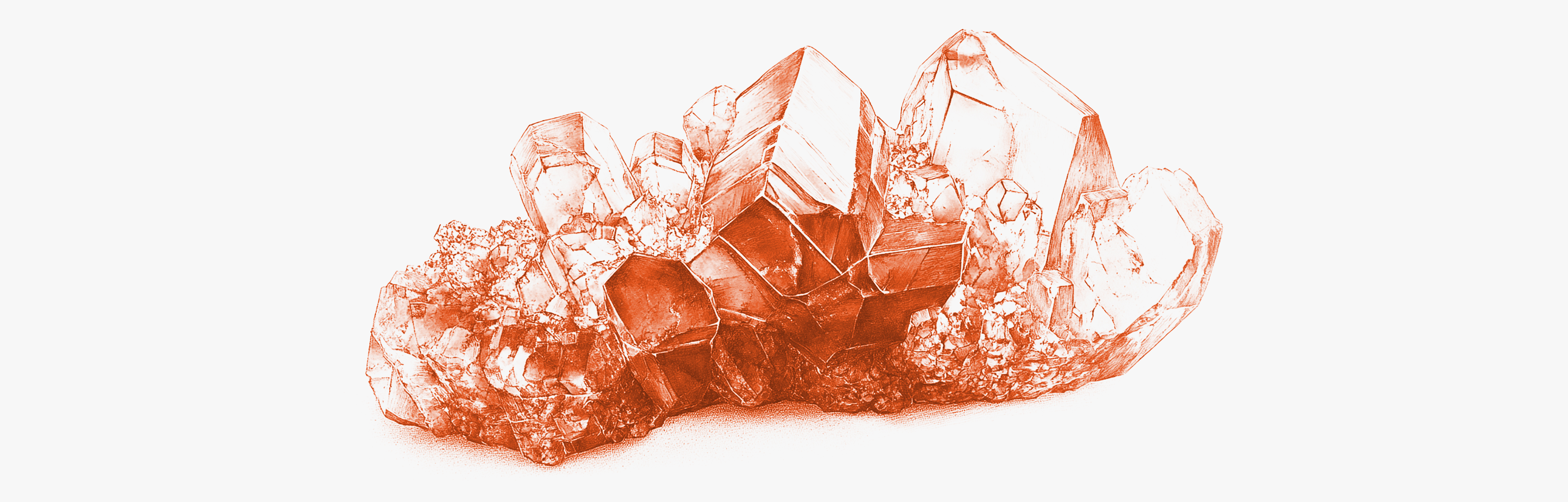
What is zinc?
Zinc is a trace element, or mineral salt, present in very small quantities in our bodies: around 1.5 g in women and 2.5 g in men.
It is mainly stored in skeletal muscle and bone (1).
Despite its low concentration, this element is essential for the body to function properly.
Zinc contributes to the normal functioning of the immune system, protecting cells against oxidative stress and maintaining normal skin, nails and hair.
The recommended daily intake is around 10 mg for women and 12 mg for men.
These requirements increase during pregnancy, when it is advisable to consume between 11 and 12 mg per day.
The benefits of zinc for hair
Zinc and hair: mechanisms of action
More specifically, how does zinc help maintain your hair?
It acts in the root, at the heart of the hair follicle, by:
- activating cell division to ensure hair renewal
- stimulating protein synthesis, including keratin, which makes up the hair fibre
- neutralising free radicals to protect the bulb cells against oxidative stress
Studies on the link between zinc levels and hair health
A number of recent studies have highlighted the crucial importance of zinc in hair health.
In particular, some research stresses the importance of detecting possible zinc deficiencies in people suffering from hair loss (3).
A study published in 2021 revealed lower zinc levels in patients with alopecia areata (alopecia), suggesting a correlation between zinc deficiency and the intensity of hair loss (4).
An adequate intake of zinc could therefore promote hair strength and limit hair loss.
In addition, a 2023 study explored an innovative system combining zinc and curcumin, showing its potential to reduce oxidative stress and promote the regeneration of hair follicle cells (2).
Signs of zinc deficiency
For your information, here are some of the warning signs of zinc deficiency:
- dull, brittle hair
- irritated scalp (itching, discomfort)
- appearance of dandruff
- unusual hair loss
- dry or inflammatory skin
- ridged or brittle nails (often linked with zinc imbalance)
Incorporating zinc into your diet
Eat a balanced diet
The simplest, most natural way to cover your zinc needs is through a balanced diet.
A varied diet based on unprocessed products helps to avoid deficiencies, provided you regularly include foods that are sources of this essential mineral.
The foods richest in zinc
Zinc is present in a wide variety of foods, both animal and vegetable.
Here are a few interesting sources to include regularly in your diet:
- seafood: oysters, mussels and crabs are among the foods richest in zinc
- red meat: beef and veal, especially the liver, are excellent sources
- eggs
- seeds and oilseeds: pumpkin seeds, cashew nuts, almonds or sesame
- legumes and wholegrain cereals: lentils, chickpeas, rolled oats and quinoa
- fermented soya-based products: tempeh and miso
Animal and plant zinc: what you need to know
Animal zinc is generally better absorbed than plant zinc.
To optimise the absorption of plant zinc, it is advisable to soak seeds and legumes in water for several hours to reduce their phytate content, compounds that slow down the assimilation of zinc.
Germination is also a method worth considering.
Ideal food supplements for hair
Different forms of bioavailable zinc
Food supplements can also be considered to increase your zinc intake, provided you choose forms that are well assimilated by the body.
In particular, opt for zinc orotate, a form in which the zinc is bound to orotic acid to form a more stable complex, which facilitates its passage through the intestinal wall and improves its absorption by the body.
 Find out more about the zinc orotate food supplement Zinc Orotate.
You may also prefer zinc bound to methionine, an amino acid easily recognised and transported by the body, which facilitates absorption of zinc and prolongs its retention in tissues.
Discover the L-OptiZinc® zinc methionine food supplement.
Finally, don't forget the exceptional zinc bisglycinate: linked to two glycine molecules, it uses amino acid transporters to cross the intestinal wall and is generally considered to be the most bioavailable form of zinc.
Discover the zinc bisglycinate dietary supplement Advanced Zinc Bisglycinate Lozenges, in the form of chewable tablets.
Hair formulas that combine zinc with other nutrients
Some targeted synergistic formulas combine zinc with other nutrients that are good for hair.
For example, zinc can be combined with solubilised keratin (the major component of hair and nails).
Discover the Hair & Nails Formula supplement, which has been appreciated by our customers for many years, and which combines solubilised and patented keratin (cynatin® HNS), zinc gluconate, bamboo extract, amino acids, vitamins, etc.
You can also find formulas that combine zinc with Keranat™, a natural ingredient clinically studied for reducing hair loss, and for increasing hair beauty and shine.
Discover the Keranat™ dietary supplement, particularly popular in cases of hair loss, a blend of Keranat™, zinc citrate, biotin and vitamin B6.
Finally, brewer's yeast, rich in B vitamins and minerals, is often used as a supplement to support hair vitality and health.
Discover Brewer's Yeast Hair Boost formula, highly dosed with inactivated brewer's yeast as well as zinc bisglycinate, among other nutrients.
SUPERSMART ADVICE
References
- Zinc - National Institutes of Health
- Yang Y, Wang P, Gong Y, Yu Z, Gan Y, Li P, Liu W, Wang X. Curcumin-zinc framework encapsulated microneedle patch for promoting hair growth. Theranostics. 2023 Jun 26;13(11):3675-3688. doi: 10.7150/thno.84118. PMID: 37441591; PMCID: PMC10334826.
- Guo EL, Katta R. Diet and hair loss: effects of nutrient deficiency and supplement use. Dermatol Pract Concept. 2017 Jan 31;7(1):1-10. doi: 10.5826/dpc.0701a01. PMID: 28243487; PMCID: PMC5315033.
- Lalosevic J, Gajic-Veljic M, Lalosevic Misovic J, Nikolic M. Serum Zinc Concentration in Patients with Alopecia Areata. Acta Derm Venereol. 2023 Oct 3;103:adv13358. doi: 10.2340/actadv.v103.13358. PMID: 37787421; PMCID: PMC10561101.




5 Days
Super fast delivery
Super fast delivery. Trying flexismart at the moment, Maybe a bit too soon to see results bit nice tolérance so far.
Maria Angeles Verdu
5 Days
Good service
Supersmart are an efficient company - the order arrived quickly. This is usual for them, though they have occasionally been let down by delivery firms - not a surprise and not their fault.
Barry Humphries
6 Days
Excellent product
Excellent product, quick delivery
FERENCNE Soros
8 Days
High quality, reliable service!
I have been ordering their products for years! They are excellent quality. And despite the international shipping, my order allways arrived pretty fast. The loyalty program is very fair, I get great prices on the products. Imagine: my specialists are asking me what have I been taking that my counts are so good!
Petra Hruskova
9 Days
I purchased Melatonin
I purchased Melatonin, very quick delivery to the UK and product is perfect. Very Happy
Dean Harriss
11 Days
Avis général
Well boxes are white but that puts a bit of serious color for my grey matter. Supersmart is quality products and made myself a pharmacy. Honestly should be remboursed by the health institutes selling pills
LEBORDAIS Thomas
12 Days
Arrives in just five days even to Japan…
Arrives in just five days even to Japan – that’s insanely fast! Amazing lineup of innovative products.
namio
15 Days
Quality and choice of supplements.
Quality and choice of supplements.
Maja
19 Days
perfect great
perfect great
igor janic
24 Days
Good products and speedy delivery
Good products and speedy delivery
Jim
28 Days
Very good
Very good, fast delivery
Paddy
28 Days
Excellent products
Excellent products. Excellent servce.
MIFSUD Joseph
28 Days
It was sent expediently
It was sent expediently, the tracking worked nicely!
Roger De Backer
30 Days
Everything okay
Quality products people can account on. Fast shipping.
Fred Laan
41 Days
Good products
Good products
Emmanuel
of experience
your money back
##montant## purchase